Sinker EDM for blind cavities, sharp internal corners, and intricate features in hard conductive materials.
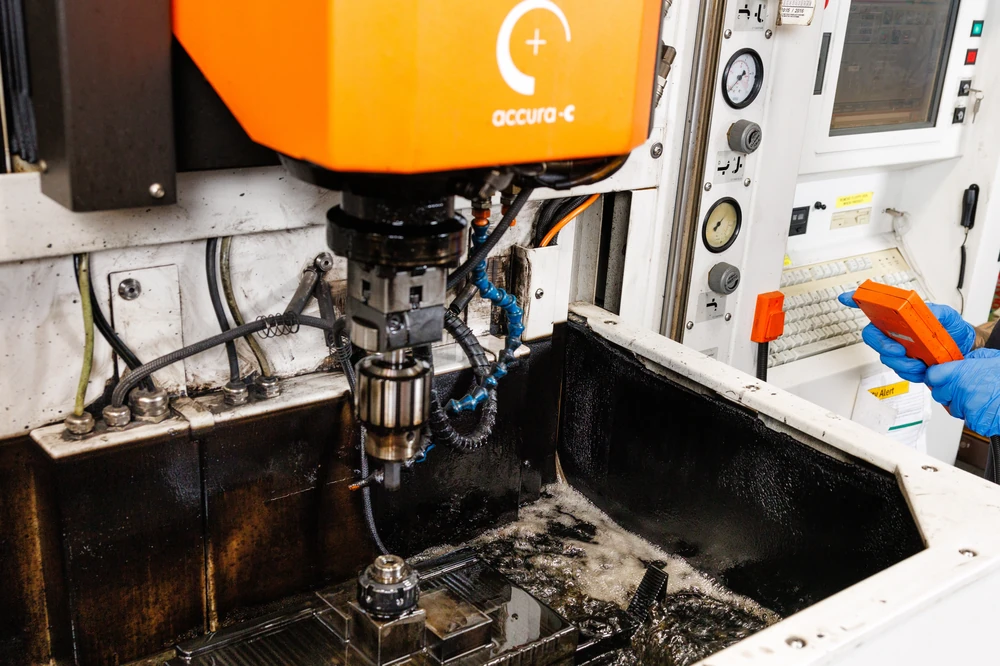
Sinker EDM is an electrical discharge machining (EDM) process that uses a shaped graphite or copper electrode to form cavities and internal features in electrically conductive materials. The electrode and workpiece sit in a dielectric fluid, which controls each electrical discharge and flushes away debris as material is removed. This produces tight tolerances, consistent dimensional accuracy, and a controlled surface finish on blind cavities, deep or narrow slots, fine details, and sharp internal corners, particularly in hard or heat-resistant materials that are difficult to machine on conventional machines.
View all equipment
Equipment shown is representative of what supports this capability. Contact us for more information or to confirm we can support your project.
View all products
Large structural bases for custom machinery and industrial equipment.
Custom welded structures produced to drawing requirements.
Custom fixtures and tooling for production applications.
Custom housings produced to customer drawings and specifications.
Precision shafts for rotating equipment and mechanical systems.
Custom machined plates, including large-format components.
From common steels and aluminum to high-temperature and exotic alloys, we regularly machine a broad range of materials for demanding programs.
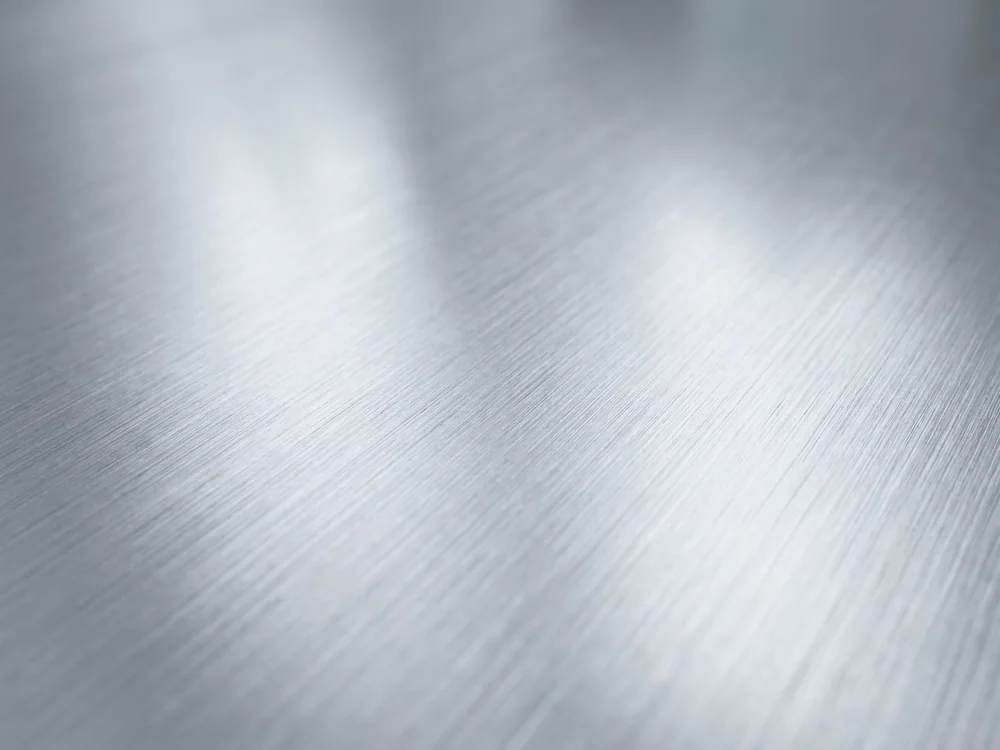
Stainless Steel · Precipitation-Hardening Stainless Steel
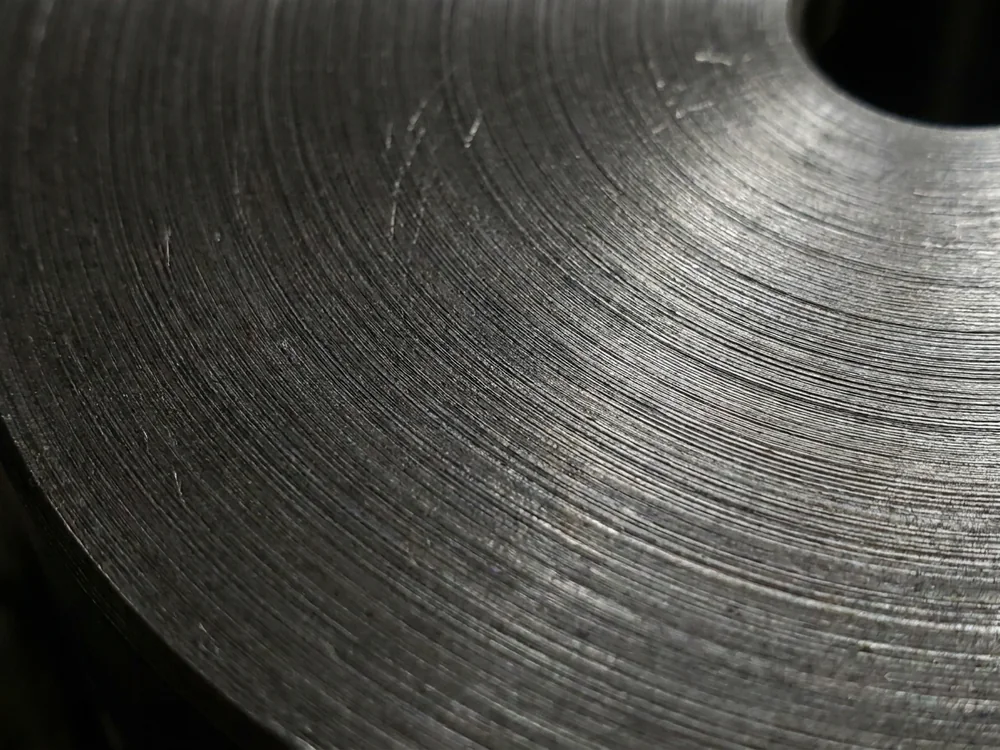
Carbon Steel · Alloy Steel · HSLA Steel
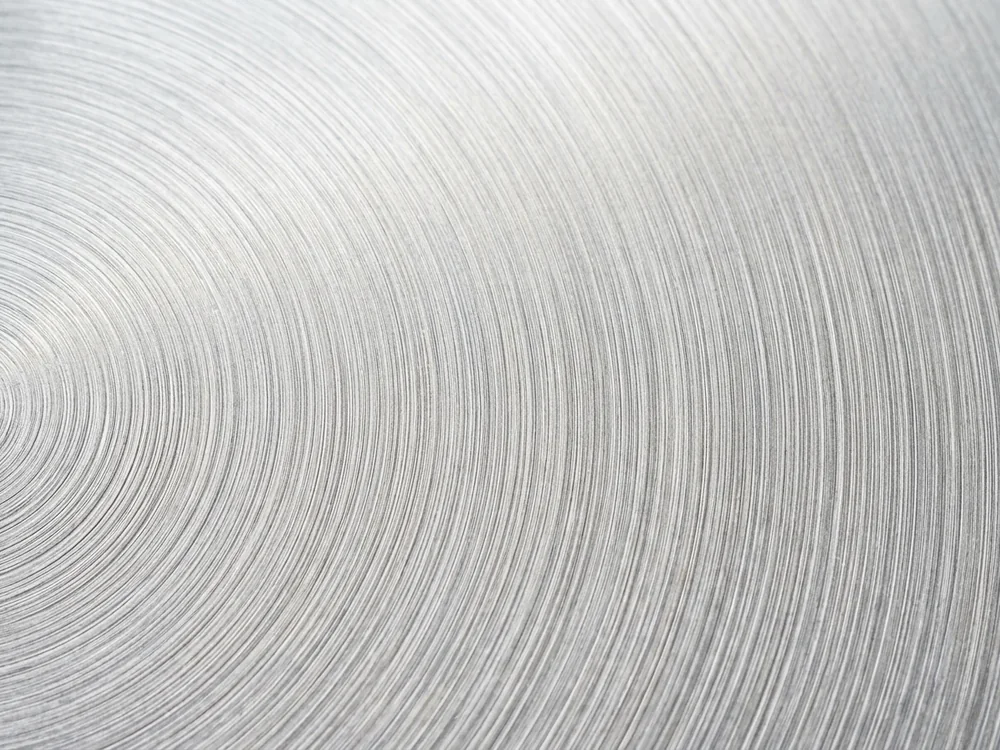
Aluminum alloys
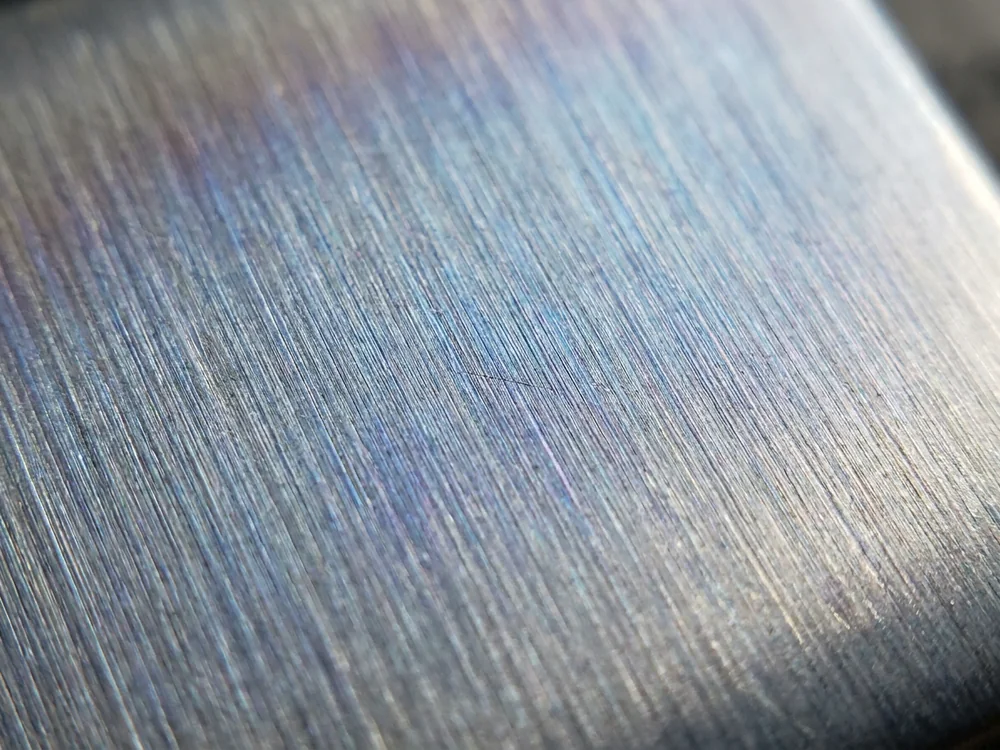
Titanium alloys
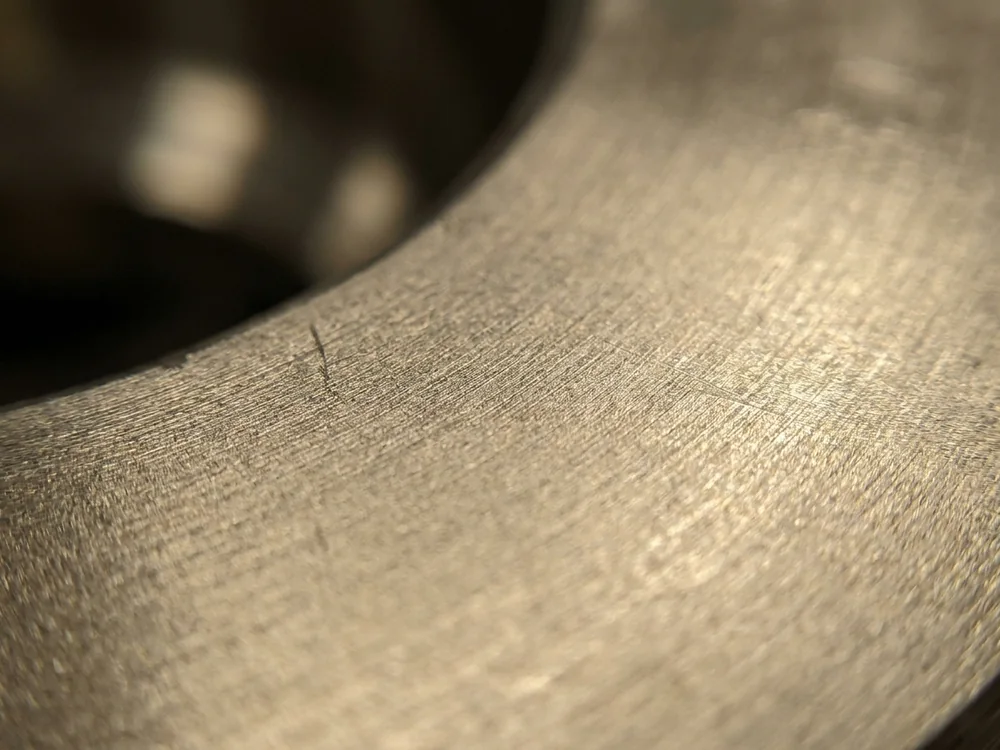
Nickel Alloys · Inconel
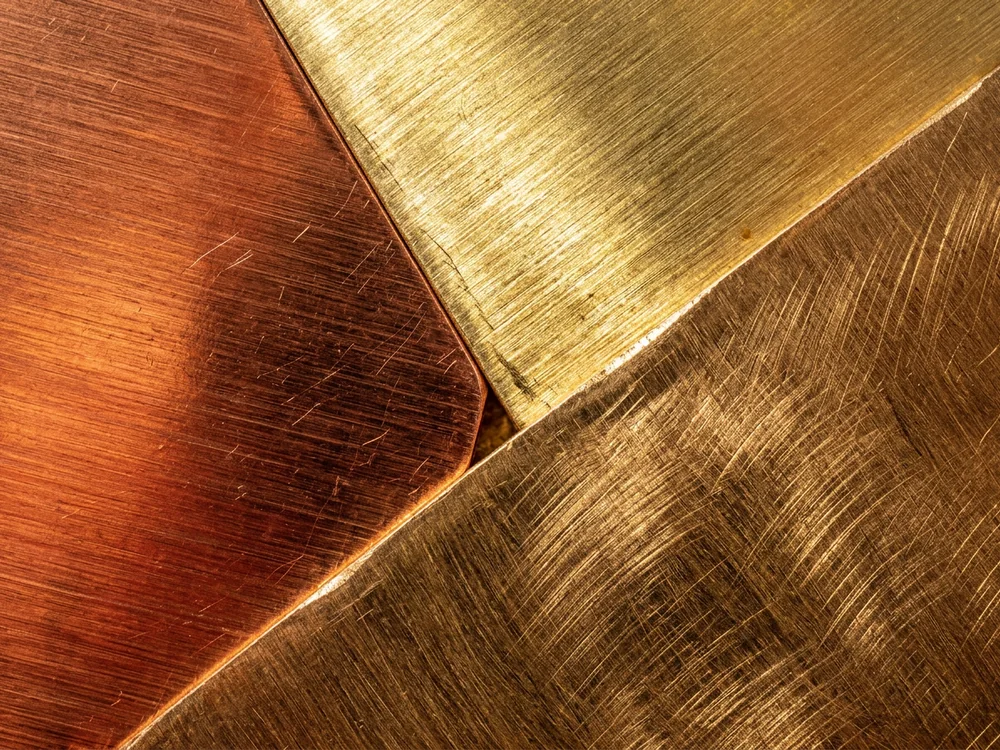
Copper · Brass · Bronze · Aluminum Bronze · Silicon Bronze
Specialty Alloys · Exotic Metals
We approach every project with a commitment to precision, consistency, and workmanship.
In-process checks help keep work aligned with drawings and specifications through final inspection.
CMMs, optical comparators, and manual gaging help verify critical dimensions and complex part geometry.
Material traceability is maintained throughout production to support regulated work and audit readiness.
Quality records are managed alongside production to support customer, compliance, and program needs.
Industries We Serve
All capabilities
See our full range of in-house manufacturing capabilities that support complex, multi-step work from start to finish.
Inspection
1
Inspection
↗FAQs
Have questions? Here are answers to some of the questions we hear most often.
Sinker EDM cycle time depends on cavity depth, material, and the required surface finish, and is generally slower than conventional CNC machining for equivalent material removal. The tradeoff is access to features, such as sharp internal corners and blind cavities, that conventional cutting tools can't reach.
Yes. Because sinker EDM removes material through electrical discharge rather than conventional cutting force, it produces minimal mechanical stress and doesn't generate the burrs associated with traditional cutting methods. This makes it useful for delicate or hardened features where cutting force could distort the part.
Sinker EDM, also called CNC die sinking EDM, is typically the better choice for cavities and internal features formed with a shaped electrode, while wire EDM suits cut profiles and through-features formed with a moving wire. Both processes remove material through electrical discharge rather than cutting force, making them useful for hard or heat-resistant materials. Total Manufacturing operates both sinker and wire EDM equipment, so the right process can be selected based on the feature and material.
Sinker EDM requires an electrically conductive material, including hard and heat-resistant alloys that are difficult to machine conventionally. Because the process removes material through electrical discharge rather than cutting force, it can reach features that would otherwise require specialized tooling.
Sinker EDM is well suited for blind cavities, deep or narrow slots, fine details, and sharp internal corners, particularly in hard or heat-resistant materials that are difficult to produce with conventional CNC machining. A shaped electrode and controlled electrical discharges form these features in electrically conductive material. Total Manufacturing's sinker EDM equipment supports work envelopes up to 23.5" x 15.5" x 15.5".
Request a quote
Share your project details and our team will be in touch to discuss the next steps.
Broad range of in-house manufacturing capabilities
Collaborative project support
Fast, responsive quote turnaround
Step 1 / 3
Contact
Company Location
Project Details
Our team will review your project and contact you shortly.